
Winter Pet Care Tips in Tucson’s Mild Climate
Winter Pet Care Tips in Tucson’s Mild Climate
As winter arrives in Tucson, many pet owners may wonder how the cooler months affect their furry friends. While snow and freezing temperatures are rare in our region, Tucson’s winter weather still brings its own set of challenges for pets. Chilly mornings, breezy days, and sudden temperature drops can all impact your pet’s health and comfort. At Mica Peak Veterinary Hospital, located at 2300 East Broadway Boulevard, Tucson, Arizona 85719, our veterinary team is dedicated to keeping your pets happy and healthy all year round. In this blog, we’ll share expert winter pet care tips focused on Tucson’s unique climate, including how to spot signs of seasonal discomfort, why these issues arise, and what you can do at home to protect your pet’s well-being.
Whether you’re searching for winter pet care in Tucson or simply want to ensure your pet thrives during the cooler months, this guide will empower you with practical advice from our experienced veterinarians. For a full overview of the services we offer to support your pet’s health in every season, you can browse our comprehensive list of veterinary services at Mica Peak Veterinary Hospital. If you’re looking for a “vet near me” who understands local conditions, our team is here to help.
Recognizing Winter Wellness Concerns: Is Your Pet Affected?
Even though Tucson’s winters are mild compared to many regions, pets can still experience seasonal discomfort or health issues during colder months. Recognizing the signs early helps you keep your companion comfortable and healthy. Some symptoms that suggest your pet may be struggling with cooler weather include shivering, reluctance to go outdoors, seeking extra warmth, or changes in energy levels. Additional signs to watch for are dry or flaky skin, increased shedding, and occasional coughing or sneezing due to chilly, dry air. Older pets or those with arthritis may seem stiffer, especially in the morning after a cold night.
Dogs and cats alike may become less active if they’re feeling chilly, while some pets might develop mild respiratory symptoms if exposed to persistent drafts. In some cases, pets can develop cracked paw pads or minor irritation from walking on cold surfaces. Any noticeable change in your pet’s routine, appetite, or appearance during the winter months could indicate they need extra support. Our veterinarians frequently see these seasonal changes among pets in Tucson and surrounding communities, so you’re not alone if your pet is acting a bit different this time of year.
Why Winter Issues Happen in Tucson’s Mild Climate
Although Tucson is known for its warmth and sunshine, winter brings lower nighttime temperatures and dry, windy conditions that can impact pet health. Sudden drops in temperature, combined with chilly desert breezes, can make even short outdoor trips uncomfortable for pets used to the heat. The lack of humidity during Tucson winters can cause skin and coat dryness, which is especially noticeable in breeds with sensitive skin or thin coats.
Older pets, particularly those with arthritis or joint issues, may find that the cold exacerbates their discomfort. The cool, hard ground can stiffen joints and make movement less comfortable. Indoor pets are also affected; as heaters run more frequently, the air inside can become very dry, leading to itchy skin or increased shedding. Additionally, some Tucson homes are not as well insulated for cold weather, which means indoor temperatures can fluctuate more than expected.
For pets with chronic health conditions, the added stress of temperature changes can sometimes trigger flare-ups or worsen symptoms. This is why staying proactive about winter pet care in Tucson is so important for pets of all ages and health backgrounds.
Professional Treatment and Support: How Your Veterinarian Can Help
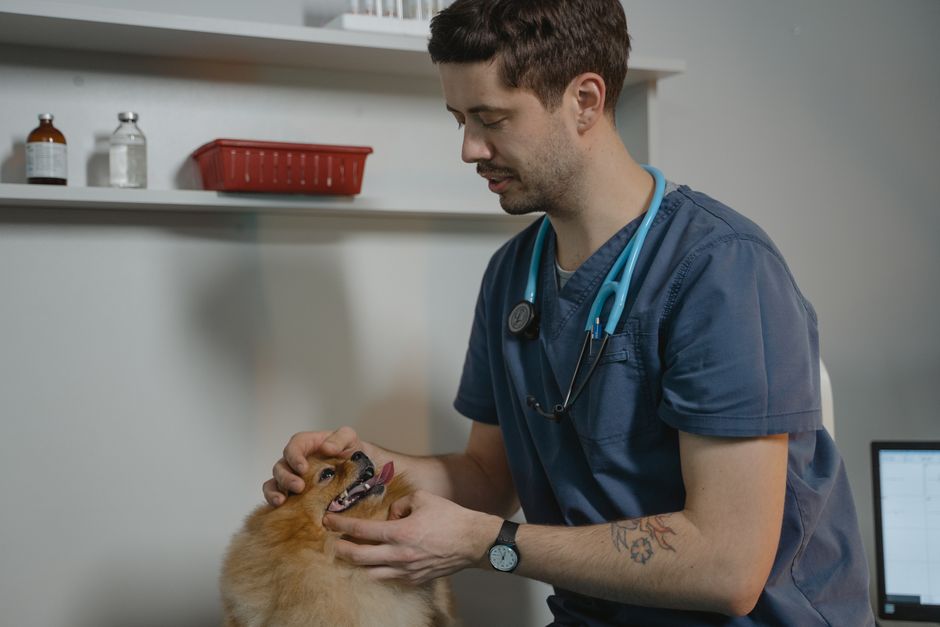
If you notice your pet is uncomfortable or showing any of the signs discussed above, scheduling an appointment with our veterinary team at Mica Peak Veterinary Hospital is a great first step. Our veterinarians offer a full range of services, from wellness exams and nutritional counseling to diagnostics and chronic disease management, to address winter pet health concerns in Tucson.
During your visit, our veterinary professionals may recommend specific treatments or adjustments based on your pet’s age, breed, and health history. Treatment options for winter-related discomforts often include tailored advice on nutrition to support a healthy coat, recommendations for joint supplements in pets with arthritis, and guidance on safe outdoor exercise routines. For skin and coat dryness, we may suggest moisturizing shampoos or dietary changes that promote skin health.
If your pet is experiencing more serious symptoms—such as persistent coughing, significant changes in appetite, or worsening of a chronic condition—our team may perform diagnostic tests to rule out underlying illnesses. We also offer advice on environmental modifications, such as providing heated bedding or adjusting your pet’s daily schedule to avoid the chilliest parts of the day.
To explore all of the ways we support Tucson pet health in winter, you can review our comprehensive list of veterinary services for details on what to expect during your visit.
Prevention and Home Care: Keeping Your Pet Comfortable All Winter
The good news is that many winter pet care tips for Tucson are simple and effective. Keeping your pet comfortable starts with providing a warm, draft-free sleeping area. Placing your pet’s bed away from doors or windows and using cozy blankets can make a noticeable difference. For pets that love spending time outdoors, limiting walks to the warmest part of the day helps avoid unnecessary chill; always bring pets inside during cold snaps or windy weather.
Maintaining your pet’s skin and coat health is especially important during the dry winter months. Regular brushing helps distribute natural oils and reduces shedding, while pet-safe moisturizers or omega fatty acid supplements can help combat dryness. Monitoring your pet’s water intake is critical as well, since heated indoor environments can make pets more prone to dehydration. Always ensure fresh water is available and consider using a pet water fountain to encourage drinking.
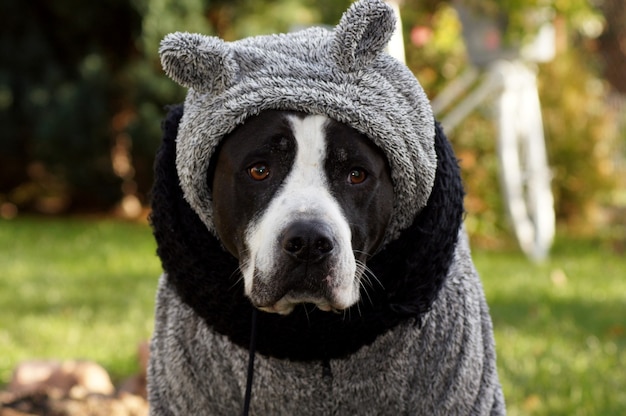
For dogs with short coats or older pets with joint issues, lightweight sweaters or jackets provide extra warmth without overheating. Checking your pet’s paws after walks helps prevent irritation from cold surfaces, and wiping them clean removes any potential irritants. Daily activity is still important, so try to engage your pet in indoor play or gentle exercise to support both physical and mental health during the shorter, cooler days.
Finally, keep an eye on your pet’s weight and appetite. Some pets may need slight dietary adjustments if they are less active in winter; our veterinarians can provide personalized nutrition recommendations as part of your winter pet care plan.
When to Seek Veterinary Care in the Winter
While many seasonal issues are mild and can be managed at home, there are times when professional veterinary care is essential. If your pet shows signs such as persistent shivering, lethargy, coughing that lasts more than a day or two, significant skin irritation, or visible discomfort when moving, it’s time to schedule an appointment. Sudden changes in appetite, vomiting, or worsening of chronic conditions should also prompt a visit.
In Tucson, winter pet health concerns can sometimes be overlooked because extreme cold is rare; however, our region’s unique climate means that even moderate changes can impact pets, especially those with existing health issues or seniors. Our veterinarians are always here to help you determine if your pet’s symptoms require immediate attention or if home care is appropriate. Early intervention can prevent small problems from becoming bigger health concerns.
If you are ever uncertain about your pet’s winter health or notice unusual behaviors, reaching out to a quality vet near me ensures your pet receives the expert care they deserve. We encourage all pet owners in Tucson and surrounding communities to stay proactive about seasonal wellness.
Your Partner for Winter Pet Care in Tucson
As Tucson’s winter settles in, remember that a little extra care can make a world of difference for your pet’s comfort and health. By recognizing early signs of seasonal discomfort, understanding the effects of our local climate, and taking simple steps to create a cozy, healthy environment, you can help your pet enjoy the season to the fullest. Our veterinary team at Mica Peak Veterinary Hospital is committed to supporting Tucson pet health in winter and beyond.
If you’re ready to schedule an appointment or have questions about your pet’s winter care needs, our experienced veterinarians are here to help. Contact us at (520) 622-6485 or visit our 2300 East Broadway Boulevard, Tucson, Arizona 85719 location. For a complete overview of our offerings, explore our comprehensive list of veterinary services. If you are searching for a trusted vet near me for winter pet care in Tucson, our veterinary professionals are dedicated to providing quality, compassionate care all year long.
Disclaimer: This blog is for informational purposes only and does not replace professional veterinary care. Always consult with your veterinarian for personalized advice regarding your pet’s health.