
Protecting Pets From Tucson’s Summer Heat: Essential Tips
Protecting Pets From Tucson’s Summer Heat: Essential Tips
As the summer sun beats down on Tucson and temperatures begin to soar, it’s only natural for pet owners to worry about how the heat might affect their dogs and cats. Our pets feel the effects of the desert climate just as we do, but they aren’t always able to communicate discomfort or overheating until it becomes a true emergency. At Mica Peak Veterinary Hospital, located at 2300 E. Broadway Blvd, Tucson, AZ 85719, our experienced veterinary team is here to help you keep your pet cool, comfortable, and healthy all summer long. In this guide, you’ll discover how to spot the signs of heat-related illness, learn what puts your pet at risk, and get practical advice for preventing heatstroke and dehydration. We’ll also explain when it’s time to schedule an appointment with our veterinarians to ensure your pet’s safety during Tucson’s hottest months.
Recognizing the Signs of Heat Stress in Pets
Tucson’s dry, intense heat can cause problems for pets before you may notice anything is wrong. Dogs and cats are not as efficient at cooling themselves as humans, which puts them at higher risk for heat stress and heatstroke. Key symptoms of heat-related illness in pets include excessive panting or rapid breathing, drooling that is more profuse than usual, weakness or lethargy, and a bright red or pale tongue and gums. Some pets may seem restless or unable to settle, while others will become disoriented or even collapse. Vomiting, diarrhea, and seizures can also occur in severe cases. If your dog or cat is acting unusually tired, seeking shade or cool surfaces, or showing a lack of interest in food and water during hot weather, these can be early warning signs that heat stress is developing.
Why Tucson’s Climate Puts Pets at Risk
Understanding why the desert climate is so dangerous for pets is essential for prevention. Tucson’s summer temperatures regularly climb above 100°F, and surfaces like asphalt and concrete can become blisteringly hot. Unlike humans, dogs and cats primarily cool themselves through panting and, to a lesser extent, through their paw pads. High temperatures, combined with low humidity and intense sun, mean pets can quickly overheat—especially if they are outside during the hottest parts of the day or left in poorly ventilated spaces.
Certain factors make some pets more vulnerable than others. Short-nosed breeds such as Bulldogs, Pugs, and Persian cats are less able to cool themselves effectively. Overweight pets, elderly animals, and those with chronic illnesses like heart or respiratory disease have a reduced ability to cope with heat. Puppies and kittens are also more susceptible due to their developing bodies. Even healthy adult pets can struggle if they become dehydrated or are left in the sun too long.
Treatment and Professional Care for Heatstroke
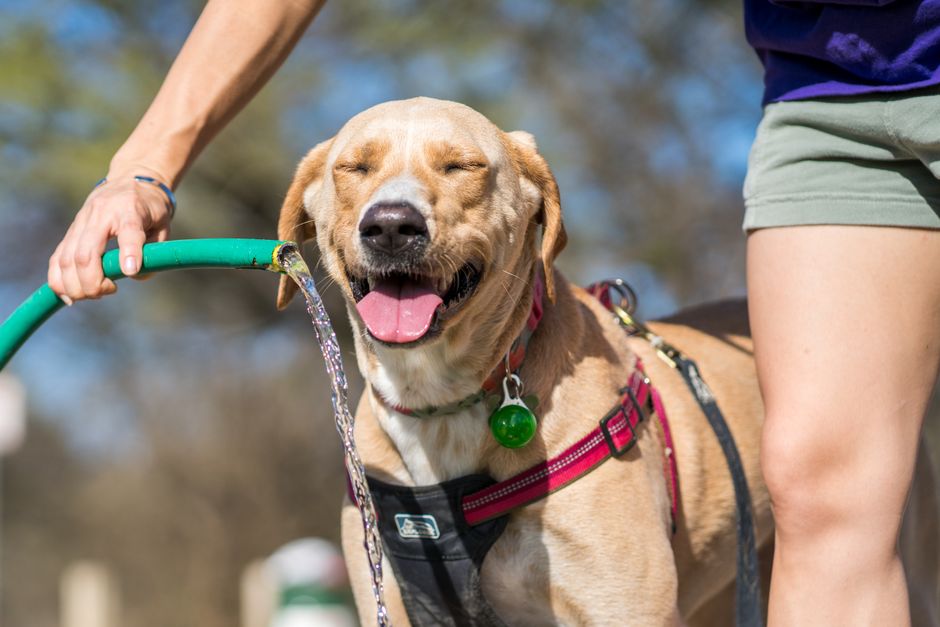
If you suspect your pet is suffering from heatstroke or severe heat exhaustion, immediate action is crucial. Move your pet to a cool, shaded area right away. You can gently wet their fur with cool (not ice-cold) water and place them in front of a fan to promote evaporation. Offer small amounts of fresh, cool water if your pet is alert and able to drink, but never force water into their mouth. It’s important not to use ice or very cold water, as this can cause blood vessels to constrict and hinder the cooling process.
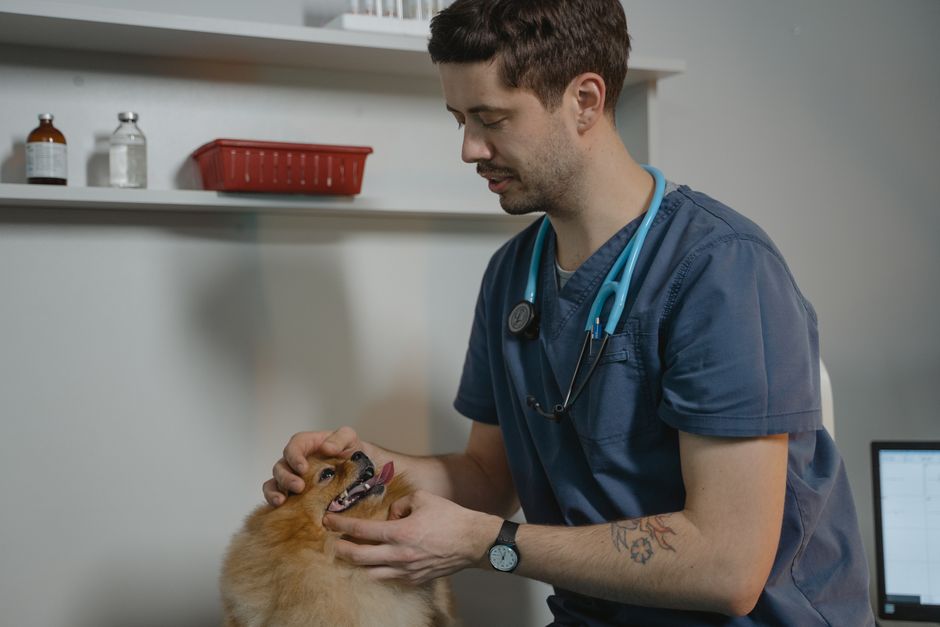
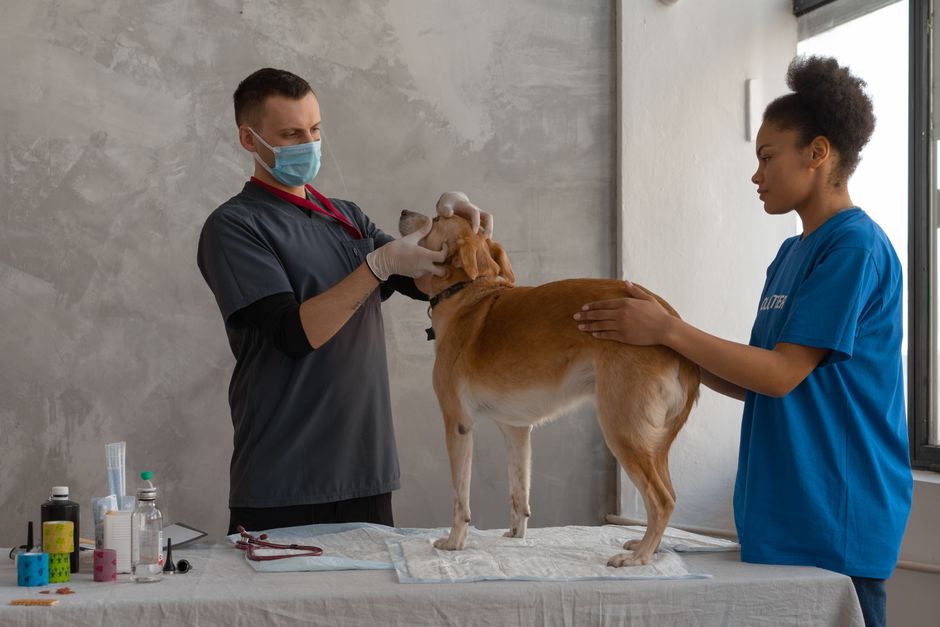
Professional veterinary treatment for heatstroke involves careful monitoring and supportive care. Our veterinarians at Mica Peak Veterinary Hospital may administer intravenous fluids to address dehydration, provide oxygen therapy if your pet is struggling to breathe, and monitor for complications such as organ damage or clotting disorders. In some cases, blood work and advanced diagnostics are needed to assess the impact of heat on your pet’s internal organs. If you think your pet might be experiencing a heat-related emergency, call us immediately at (520) 622-6485 and bring your pet in as soon as possible.
Preventing Heat Illness: Home Care Tips for Tucson Pet Owners
The best way to protect your pet from the summer heat is through proactive care and prevention. First, always ensure your pet has access to plenty of cool, fresh water both indoors and outdoors. Refill water bowls frequently, and consider adding ice cubes to keep the water cool throughout the day. Shade is essential if your pet spends any time outside; set up shady spots in your yard, and avoid walks or playtime during peak heat hours, typically between 10 a.m. and 6 p.m.
Walking your dog early in the morning or after sunset, when the ground is cooler, helps prevent burnt paw pads and overheating. Check the pavement with your hand before heading out—if it’s too hot to touch, it’s too hot for your pet’s feet. Avoid leaving pets in parked cars for any amount of time, even with the windows cracked, as temperature inside a car can rise to deadly levels within minutes.
Grooming can also play a role in heat safety. Regular brushing removes excess fur and helps your pet’s coat insulate against both heat and sunburn. However, avoid shaving your pet unless recommended by your veterinarian, as their coat can actually help regulate body temperature. For pets with medical conditions or those that need extra support, modern veterinary care options like laser therapy for pets may be available to reduce pain and inflammation during the heat, helping them stay comfortable year-round.
When to Seek Veterinary Care for Heat-Related Illness
Knowing when to contact your veterinarian is critical. If your pet is showing symptoms such as persistent heavy panting, drooling, unsteady gait, weakness, vomiting, or collapse, these are signs of a possible emergency. In these situations, do not wait—call Mica Peak Veterinary Hospital at (520) 622-6485 and let our team know you are on your way. When in doubt, it is always better to err on the side of caution, especially during the hottest months in Tucson. Even if your pet seems to recover after an episode of overheating, a wellness examination is important to check for any delayed complications or underlying health issues that may have contributed to their heat sensitivity.
Preventive care is a year-round commitment. Scheduling regular check-ups, keeping your pet up-to-date on vaccinations, and discussing your concerns with our veterinary professionals allows us to tailor advice to your pet’s unique needs. Our team is here to provide guidance on everything from safe outdoor activities to managing chronic health conditions that may increase heat risk. For more information about our preventive services and how we can help your pet thrive in the desert climate, visit our page on vaccination services.
Summer Pet Safety in Tucson: A Partnership With Your Local Veterinary Team
Caring for dogs and cats in Tucson’s summer heat is a shared responsibility between pet owners and their veterinary team. By staying alert to changes in your pet’s behavior, providing ample water and shade, and avoiding exposure to extreme temperatures, you can help prevent dangerous heat-related illnesses. If you ever find yourself searching for a veterinarian near me, remember that the trusted team at Mica Peak Veterinary Hospital is ready to support you and your pet.
If you have questions about your pet’s heat safety, want to schedule a wellness examination, or need advice tailored to your pet’s age, breed, or health status, please contact us at (520) 622-6485 or stop by our clinic at 2300 E. Broadway Blvd, Tucson, AZ 85719. Our veterinary professionals are dedicated to delivering compassionate, comprehensive care to pets throughout Tucson and surrounding communities. Together, we can keep your dog or cat happy, healthy, and cool all summer long.
This blog provides general information for educational purposes and is not a substitute for professional veterinary care. If you have concerns about your pet’s health or suspect a heat-related emergency, contact your veterinarian immediately.