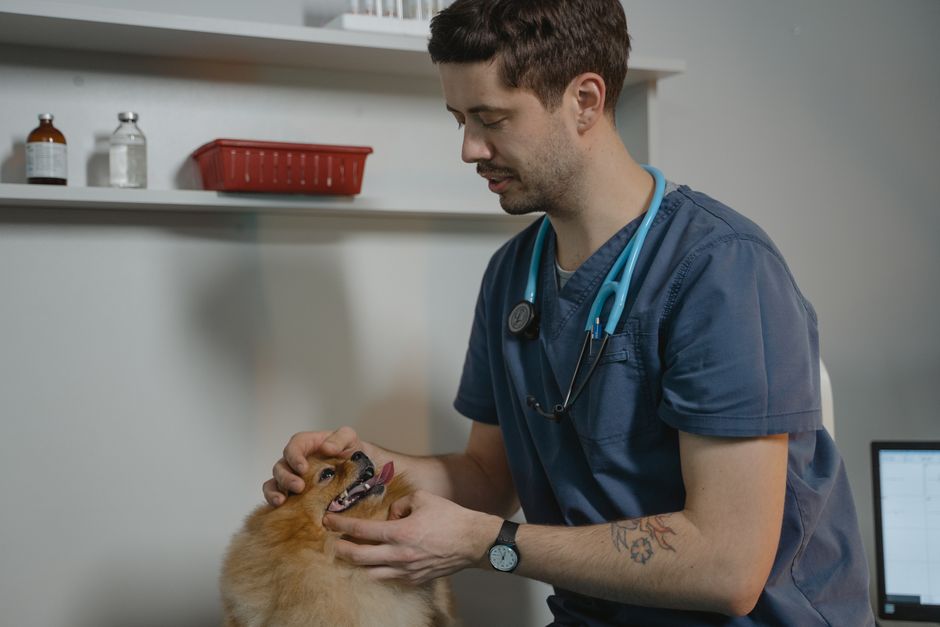

How to Spot Common Pet Illnesses Early


How to Spot Common Pet Illnesses Early: A Guide for Tucson Pet Owners
Every pet parent wants the best for their furry family members, but it can be tough to know when a change in your pet’s behavior is something minor or a sign of a developing illness. At Mica Peak Veterinary Hospital, conveniently located at 2300 E. Broadway Blvd, Tucson, AZ 85719, we understand how important it is for pet owners in Tucson and surrounding communities to recognize pet illness symptoms early. Prompt attention can make all the difference, helping pets recover more quickly and preventing more serious health problems.
This blog will guide you through the early warning signs of common pet illnesses, explain why these conditions develop, and share how our veterinary professionals approach diagnosis and treatment. You’ll also find actionable tips for home care and clear advice on when to schedule an appointment with a veterinarian near me. As your trusted provider of veterinary services in Tucson, we are committed to empowering you with knowledge that supports your pet’s lifelong wellness.
If you’re interested in how regular checkups can help catch issues before they become serious, you can read more about our wellness examination services and how they support early illness detection.
Recognizing the Early Signs of Illness in Pets
Pets can’t tell us when they’re feeling unwell, so it’s up to us to notice subtle shifts in their behavior, appetite, and energy levels. Early detection of pet illness symptoms often leads to better outcomes and less invasive treatments. Some of the most common signs that your pet may need veterinary attention include changes in eating or drinking habits, sudden weight loss or gain, persistent coughing or sneezing, vomiting, diarrhea, lethargy, or increased vocalization. Additionally, you might notice your pet hiding more than usual, grooming excessively, or showing signs of pain such as limping or reluctance to jump.
For instance, a dog who suddenly loses interest in their favorite treat or a cat who starts avoiding the litter box may be experiencing the early stages of an illness. In Tucson’s warm climate, heat-related fatigue can sometimes be mistaken for normal tiredness, but it’s vital to consider whether symptoms persist or worsen over time. Knowing your pet’s normal routine is key, as even mild changes can be early indicators of issues requiring veterinary diagnostics in Tucson.
How to Differentiate Minor Changes from Serious Symptoms
Sometimes, pets have off days just like people do, but it’s important to watch for patterns. If your cat skips a meal once but returns to normal the next day, it may not be a cause for concern. However, ongoing loss of appetite, vomiting that lasts more than a day, or coughing that doesn’t resolve could signal a deeper problem. Pay attention to any new lumps or bumps, changes in gum color, or difficulty breathing. Consistency and duration of symptoms help determine when to call the vet for a full evaluation.
Understanding Why Pet Illnesses Develop
There are many reasons pets in Tucson and surrounding communities may develop illnesses, ranging from infectious diseases and parasites to chronic conditions like kidney disease or diabetes. Environmental factors such as extreme heat, exposure to local plants, or changes in routine can also play a role. Puppies and kittens, as well as senior pets, are especially vulnerable due to their developing or aging immune systems.
Infectious illnesses like kennel cough or feline upper respiratory infections are common, particularly in social or multi-pet households. Dental disease is another frequent concern, as bacteria from untreated oral problems can affect the heart, kidneys, or liver over time. In the Southwest, certain regional risks such as valley fever can also impact pets’ health. Understanding these causes helps you take proactive steps and seek veterinary services near me when you notice potential problems.
The Role of Routine Veterinary Care in Prevention
Regular veterinary visits and preventive care are your best defense against many illnesses. Our team of veterinarians recommends wellness examinations, up-to-date vaccinations, and ongoing parasite prevention as foundational steps. Annual or semi-annual checkups provide opportunities to identify subtle changes in bloodwork, dental health, or body condition before they escalate. You can learn more about our vaccination services and how they protect pets from common diseases in our area.
Professional Treatment Options for Common Pet Illnesses
When a pet displays concerning pet illness symptoms, our veterinary professionals at Mica Peak Veterinary Hospital use a combination of physical examination, laboratory testing, and advanced imaging to reach an accurate diagnosis. For instance, if your pet is experiencing vomiting and diarrhea, we may recommend blood tests or in-house fecal analysis using our in-house diagnostic laboratory services. These tests help us determine whether an infection, underlying organ dysfunction, or dietary issue is to blame.
Treatment approaches vary depending on the diagnosis. For infections, antibiotics or targeted medications may be necessary. Chronic conditions such as diabetes are managed with medication, dietary adjustments, and regular monitoring. For dental disease, professional pet dental cleanings or oral surgery may be recommended to remove tartar, treat gum disease, or extract damaged teeth. Pain management, supportive care, and follow-up visits ensure your pet recovers fully and comfortably.
Our veterinary team will always discuss the treatment plan with you, answer your questions, and explain any home care steps required. We prioritize minimally invasive options whenever possible and use the latest technology for effective, compassionate care. If you have concerns about your pet’s oral health, you can find additional information about veterinary dental surgery and when it may be needed.
What to Expect During Your Visit
During your appointment, our veterinarians will perform a thorough physical exam, discuss your observations, and recommend any necessary diagnostic tests. If advanced imaging or specialized treatment is needed, we’ll explain each step and provide clear guidance on what to expect. Our goal is always to make the process as stress-free as possible for both you and your pet.
Preventing Illness and Supporting Your Pet’s Health at Home
Proactive home care goes a long way in keeping pets healthy and spotting issues before they become emergencies. Steps include monitoring your pet’s appetite and water intake, keeping up with regular vaccinations, maintaining a consistent exercise routine, and scheduling wellness exams with a quality vet near me. Good dental hygiene is also essential; brushing your pet’s teeth regularly and watching for signs of oral discomfort can help prevent dental disease.
In Tucson, the hot, dry climate means it’s especially important to provide plenty of fresh water and avoid strenuous activity during the hottest parts of the day. Indoor pets still need environmental enrichment, so offering toys, scratching posts, and interactive playtime can support both physical and mental health. If you notice any changes in your pet’s behavior or appearance, make note of when symptoms began and how they progress; this information is invaluable when seeking veterinary diagnostics near me.
Practical Tips for Daily Pet Care
Establishing a daily routine helps pets feel secure and gives you a baseline for what’s normal. Feeding, exercise, and bathroom breaks should occur at consistent times. Regular grooming allows you to check for skin problems, lumps, or parasites. Keep your pet’s living area clean and free of hazards, and always supervise outdoor time to minimize the risk of toxin exposure or escape.
When to Call the Vet: Deciding When Professional Help Is Needed
Knowing when to call the vet can be challenging, but it’s always better to err on the side of caution. Contact your veterinarian if your pet shows persistent vomiting or diarrhea, difficulty breathing, sudden weakness, collapse, or signs of severe pain. Other red flags include not eating or drinking for more than 24 hours, repeated coughing or gagging, and abnormal bleeding or swelling. If your pet is having a seizure, has ingested a toxin, or is unable to urinate, seek immediate attention.
Even if symptoms seem mild, a phone call to your veterinary team can provide guidance and peace of mind. Our team at Mica Peak Veterinary Hospital is always happy to advise pet owners in Tucson and surrounding communities on whether an in-person visit is recommended. Timely care can be lifesaving, especially for puppies, kittens, and senior pets who are more vulnerable to rapid changes in health.
The Importance of Early Intervention
Catching issues early is key to successful treatment. Many conditions, such as kidney disease or heart problems, may not show obvious symptoms until they have progressed. Regular checkups and early attention to any changes give your pet the best chance for a healthy, happy life.
Take Charge of Your Pet’s Health: Schedule a Visit with a Vet Near Me
Your pet’s wellbeing is our top priority at Mica Peak Veterinary Hospital. By understanding pet illness symptoms and knowing when to call the vet, you play a crucial role in your companion’s lifelong health. Our experienced veterinarians are here to provide comprehensive care, answer your questions, and support you every step of the way.
If you have noticed changes in your pet’s behavior, appetite, or energy, or if you simply want to ensure your pet receives the best preventive care, we encourage you to schedule a wellness examination or learn more about our in-house diagnostic laboratory services in Tucson. Proactive care and early intervention can make all the difference.
To book an appointment or speak with our veterinary professionals, call (520) 622-6485 or visit us at 2300 E. Broadway Blvd, Tucson, AZ 85719. We look forward to partnering with you in providing quality veterinary services near me and ensuring your pet’s health for years to come.
This blog is intended for informational purposes only and should not be used as a substitute for professional veterinary advice. If you have concerns about your pet’s health, please contact your veterinarian for personalized guidance.