How to Recognize and Treat Pet Allergies in Tucson

How to Recognize and Treat Pet Allergies in Tucson
If you’ve noticed your dog or cat scratching constantly, licking their paws, or rubbing their face more than usual, you’re not alone. Many pet owners in Tucson are surprised to learn just how common allergies are in our desert climate. At Mica Peak Veterinary Hospital, located right here at 2300 E. Broadway Blvd, Tucson, AZ 85719, our experienced veterinary team frequently helps families address allergy issues that affect the comfort and well-being of their beloved pets. Pet allergies can be triggered or worsened by Tucson’s unique combination of heat, dust, and seasonal pollen, making it essential for area pet owners to recognize the signs and know when to seek help.
In this blog, we’ll explore how pet allergies present in dogs and cats, why Tucson’s environment is a hotspot for allergy flare-ups, the most effective treatment options, and what steps you can take at home to keep your pet comfortable. We’ll also discuss when to schedule an appointment with our veterinary professionals and how our range of services—including diagnostics, skin therapies, and laser therapy for pets to reduce pain, inflammation, and healing time—can help your pet find relief. If you’ve been searching for answers about your pet’s itchy skin or chronic sneezing, you’ll find practical guidance and local expertise right here.
Recognizing Allergy Symptoms in Your Dog or Cat
Allergies in pets may not always look the same as they do in people. While humans often suffer from sneezing and watery eyes, dogs and cats tend to show allergies through skin and coat problems, as well as some respiratory symptoms. Key signs that your pet might have allergies include persistent itching, especially around the face, paws, belly, or ears. You might notice your dog or cat chewing or licking their feet, rubbing their face against furniture, or developing recurrent ear infections. Other symptoms include red, inflamed skin, hair loss in certain areas, and the appearance of scabs or hot spots. In some cases, pets with allergies may also experience frequent sneezing, watery eyes, or coughing.
It’s important to note that these symptoms can also be caused by other health issues such as fleas, skin infections, or even hormonal imbalances. If you’re unsure whether your pet’s discomfort is due to allergies or another medical condition, a comprehensive evaluation by our veterinary team at Mica Peak Veterinary Hospital can help determine the underlying cause and lead to effective relief.
Why Tucson’s Climate Triggers Pet Allergies
Tucson’s dry, hot environment presents unique challenges for pets susceptible to allergies. Our desert region is known for seasonal pollen bursts from plants such as mesquite, palo verde, and ragweed, which can linger in the air and settle on your pet’s coat. Additionally, the region’s dust and low humidity can irritate sensitive skin, making pets more prone to itching and secondary infections. During monsoon season, mold spores and increased humidity can also trigger flare-ups in pets with environmental allergies.
Food allergies are another consideration, though less influenced by geography. Some dogs and cats may develop sensitivities to ingredients in their diet, such as certain proteins or grains. Flea allergies, while less common in Tucson due to the arid climate, can still affect pets who spend time outdoors or come into contact with untreated animals.
Understanding these local factors is the first step in managing your pet’s allergies. Our veterinarians frequently see pets whose seasonal symptoms worsen at particular times of year, especially during spring and late summer when pollen counts are high. By tracking when symptoms appear, you can help our team identify possible triggers more quickly during your wellness examination.
How Veterinary Professionals Diagnose Pet Allergies
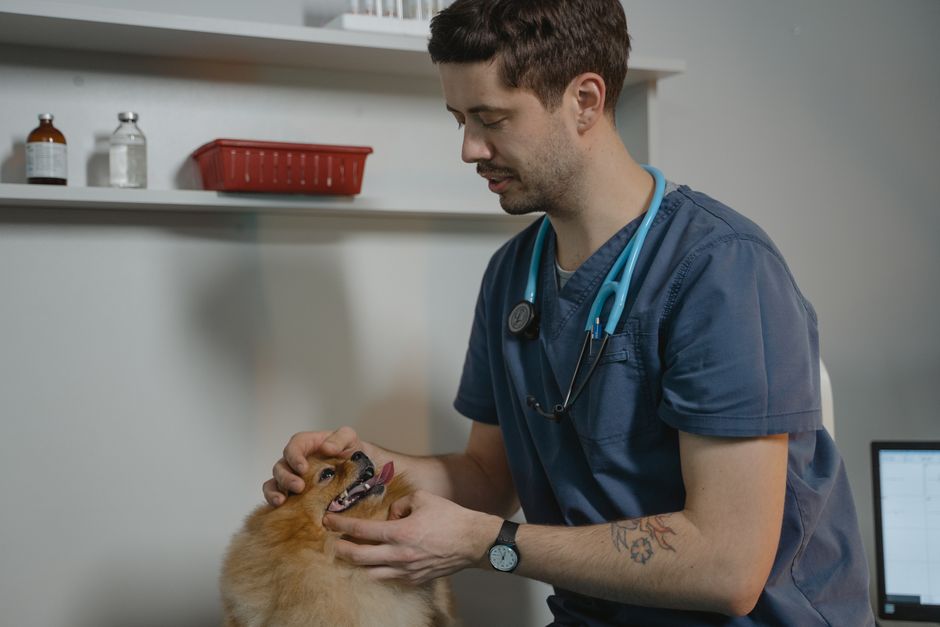
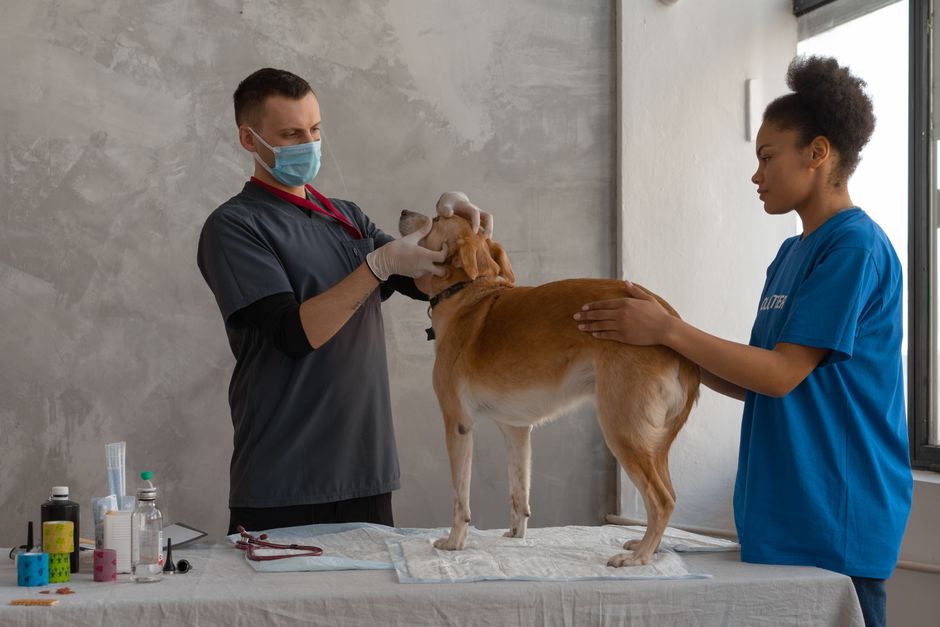
If your pet is struggling with allergy symptoms, the first step is a thorough diagnostic workup. When you schedule an appointment at Mica Peak Veterinary Hospital, our team will begin by discussing your pet’s medical history and performing a detailed physical examination. We may recommend additional testing, such as skin scrapings, cytology, or bloodwork, to rule out other causes of itching and inflammation. In some cases, we will suggest a food elimination trial to identify potential dietary triggers.
For pets with chronic or severe allergies, our in-house diagnostic laboratory allows us to quickly analyze samples and develop targeted treatment plans. In certain situations, referral allergy testing or intradermal skin testing may be recommended, but many cases can be managed successfully with the information we gather during your visit.
Treatment Options for Pet Allergies at Mica Peak Veterinary Hospital
Treating pet allergies is often a multi-step process, tailored to your individual dog or cat. The main goals are to reduce exposure to allergens, relieve itching, and prevent secondary infections. Treatment approaches can involve prescription medications such as antihistamines, corticosteroids, or newer options like Apoquel and Cytopoint for dogs. For chronic or severe cases, immunotherapy or allergy shots may be considered to desensitize your pet to specific allergens over time.
Topical therapies are also commonly used, including medicated shampoos, sprays, and wipes that soothe the skin and remove irritants. Our veterinary professionals may recommend regular bathing with gentle, hypoallergenic shampoos to reduce pollen and dust on your pet’s coat. For pets suffering from inflamed or painful hot spots, laser therapy for pets to reduce pain, inflammation, and healing time can be an effective, drug-free option to speed recovery and increase comfort.
If a food allergy is suspected, your veterinarian will guide you through a strict elimination diet, followed by the gradual reintroduction of potential allergens to pinpoint the culprit. Flea prevention is also crucial for pets with flea allergy dermatitis, even if you rarely see fleas on your animal.
Home Care and Prevention Strategies for Tucson Pet Owners
While veterinary treatment is essential for managing allergies, there are several practical steps you can take at home to support your pet’s comfort. Regularly wiping down your pet’s coat and paws after outdoor walks can help remove pollen and dust. Vacuuming frequently and using air filters in your home may reduce the amount of airborne allergens. Washing your pet’s bedding in hot water and keeping windows closed during high pollen days are also helpful strategies.
Dietary management plays a role for pets with food sensitivities, so always consult your veterinarian before changing your pet’s food. Maintaining a consistent flea prevention program, even in dry climates like Tucson, helps minimize the risk of flea-related allergies. For pets with chronic skin issues, monitoring for early signs of irritation and bringing these to your veterinarian’s attention promptly can prevent more serious problems from developing.
When to Schedule a Veterinary Appointment
If your dog or cat is experiencing persistent itching, licking, or scratching that isn’t improving with basic home care, it’s time to schedule an appointment with our team. Additional warning signs that require veterinary attention include hair loss, open sores, recurring ear infections, or any change in your pet’s appetite or behavior. Sudden onset of facial swelling, hives, or difficulty breathing is a medical emergency and should be addressed immediately.
Our veterinarians at Mica Peak Veterinary Hospital are here to help you identify the cause of your pet’s symptoms and create a personalized treatment plan. If you are concerned about your pet’s health, don’t wait for symptoms to worsen—early intervention leads to better outcomes and a happier, more comfortable pet.
Why Trust Mica Peak Veterinary Hospital for Pet Allergy Care in Tucson
With over 40 years of experience serving Tucson and surrounding communities, Mica Peak Veterinary Hospital is dedicated to providing comprehensive, compassionate care for every pet. Dr. Janet Mueller and our entire veterinary team are committed to helping you navigate the challenges of pet allergies, from initial diagnosis to ongoing management and prevention. Whether your pet needs a wellness examination, advanced skin therapies, or simply a caring partner in their health, our clinic is here for you.
When searching for a veterinarian near me who understands the unique allergy challenges faced by Tucson pets, you can feel confident turning to Mica Peak Veterinary Hospital. Our modern facility, state-of-the-art diagnostics, and personalized approach ensure that your pet receives the highest standard of allergy care.
Ready to Help Your Pet Find Relief? Contact Us Today
Don’t let allergies keep your pet from enjoying life in Tucson. If you’re noticing signs of discomfort, itching, or recurring skin problems, schedule an appointment with our veterinary professionals at Mica Peak Veterinary Hospital. We offer a wide range of services to help diagnose and treat allergies, including laser therapy for pets to reduce pain, inflammation, and healing time and thorough wellness examinations. Our team is always happy to answer your questions and help you create a plan for lasting relief.
Call us today at (520) 622-6485 or visit us at 2300 E. Broadway Blvd, Tucson, AZ 85719 to schedule your pet’s appointment. For more information about our services and approach to pet health, explore our website or reach out to our friendly team. Your pet deserves to feel their best, and we’re here to help every step of the way.