
How to Prepare Your Pet for Back-to-School Season

How to Prepare Your Pet for Back-to-School Season
As summer winds down in Tucson and the excitement of a new school year begins, pet owners often notice subtle changes in their dogs or cats. The once-bustling home suddenly feels quieter during the day, and your pet may seem a bit lost or anxious as routines change. At Mica Peak Veterinary Hospital, located at 2300 E. Broadway Blvd, Tucson, AZ 85719, our team of veterinarians understands how the transition from summer freedom to back-to-school schedules can impact your pet’s emotional and physical wellbeing.
This blog will walk you through how to recognize signs of stress or anxiety in your dog or cat as household routines shift, explain why these changes can be difficult for pets, and offer expert advice on helping them adjust. You’ll also find practical tips for maintaining your pet’s health during this seasonal transition, guidance on when to seek veterinary care, and resources available right here in Tucson. Whether you are returning to work, heading back to campus, or simply preparing for a change in daily patterns, we’re here to help you keep your pet happy and healthy all year round.
Recognizing the Signs: Is Your Pet Struggling with Back-to-School Changes?
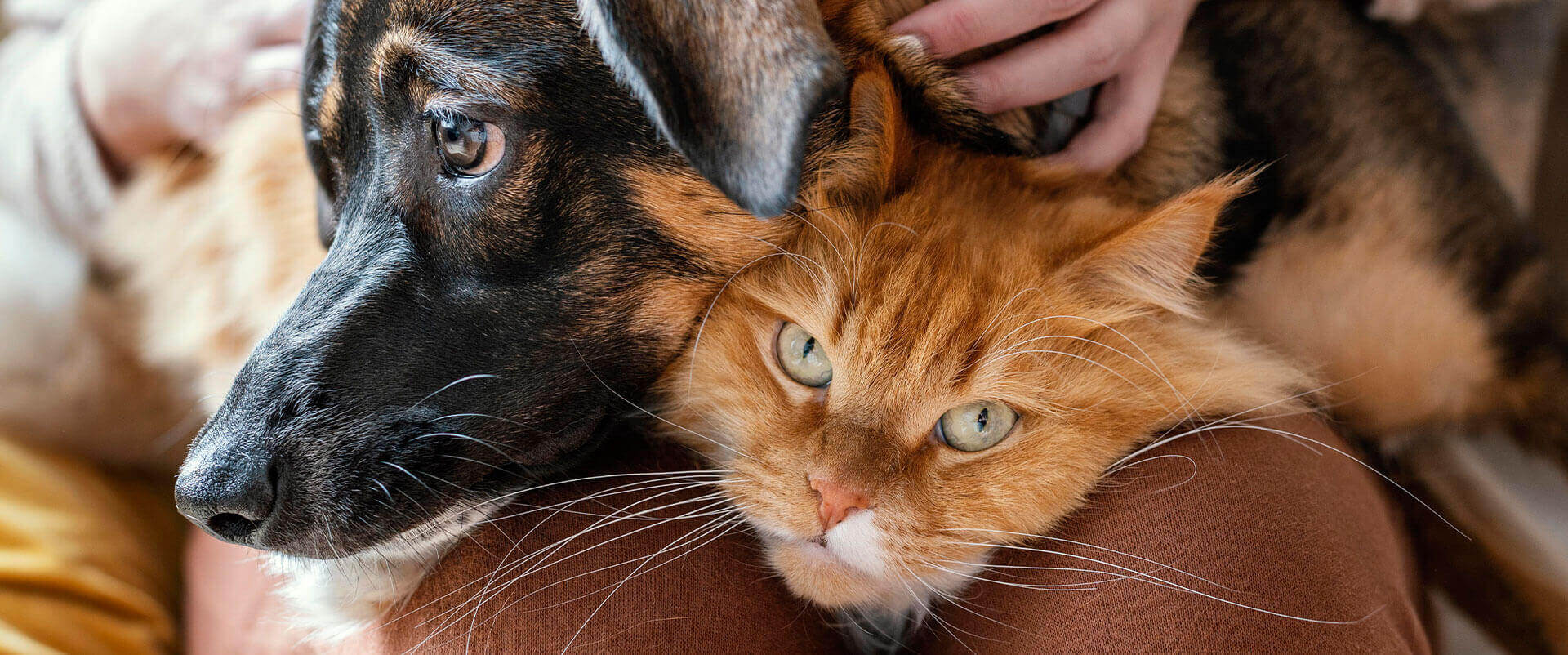
As families get ready for the school year, pets may start to exhibit behaviors that signal stress or confusion. Key signs that your dog or cat is having trouble adjusting to the new routine include changes in appetite, increased vocalization such as whining or meowing, and destructive behaviors like chewing, scratching, or digging. Other symptoms can be more subtle, such as pacing, following family members from room to room, or spending more time sleeping than usual. Cats may also hide more often or use their litter box outside of the normal schedule.
Some pets, especially those with a history of separation anxiety, can begin to show signs even before the routine changes fully set in. You may notice your dog becoming excessively clingy as you prepare to leave in the morning, or your cat greeting you at the door with unusual enthusiasm or vocalizations. These behaviors are your pet’s way of expressing confusion or concern about the sudden shift in household activity.
If you observe any of these behaviors, it is important to remember that your pet is not acting out on purpose; rather, they are responding to a significant change in their environment. Early recognition of these signs allows you to support your pet before stress escalates into more serious behavioral or health concerns.
Why Do Pets React to Back-to-School Season? Understanding the Causes
Dogs and cats thrive on routine and predictability. When summer comes to an end, the sudden absence of family members during the day can make your home feel empty and unfamiliar to your pet. For many pets, the presence of children and adults throughout the summer means extra playtime, attention, and fewer hours spent alone. The abrupt change to longer periods of solitude can be challenging for pets that rely on companionship and interaction for comfort.
Separation anxiety is a common issue, especially in dogs, when family members start spending more time away from home. This condition develops when a pet becomes overly attached to their human companions and struggles to cope with their absence. Cats, while often seen as independent, can also experience stress from changes in their environment or routine. Even subtle shifts, such as different feeding times or less frequent play sessions, can cause anxiety in sensitive animals.
Environmental factors in Tucson, including hot weather and changes in outdoor activity levels, may also play a role. Pets accustomed to morning walks or outdoor play may become restless if their exercise routines are interrupted. Additionally, the excitement and commotion of back-to-school preparations can cause pets to feel unsettled, leading to changes in behavior.
Understanding these underlying causes helps pet owners respond with empathy and take proactive steps to minimize stress during this transitional time.
Helping Your Pet Adjust: Veterinary-Recommended Solutions
Supporting your pet through the back-to-school transition starts with consistency and patience. The veterinary professionals at Mica Peak Veterinary Hospital recommend gradually adjusting your household routine in the weeks leading up to the first day of school. Begin by leaving your pet alone for short periods, gradually increasing the time apart so they can learn that you will return. Providing a safe, comfortable space with familiar bedding and toys can help your pet feel secure when the house is quiet.
Interactive toys, treat-dispensing puzzles, and soothing background music can reduce boredom and anxiety for pets left alone. For dogs, a morning walk or play session before the family leaves can burn off excess energy and promote relaxation during the day. Cats may benefit from window perches, scratching posts, and scheduled playtime in the evening when the family is home.
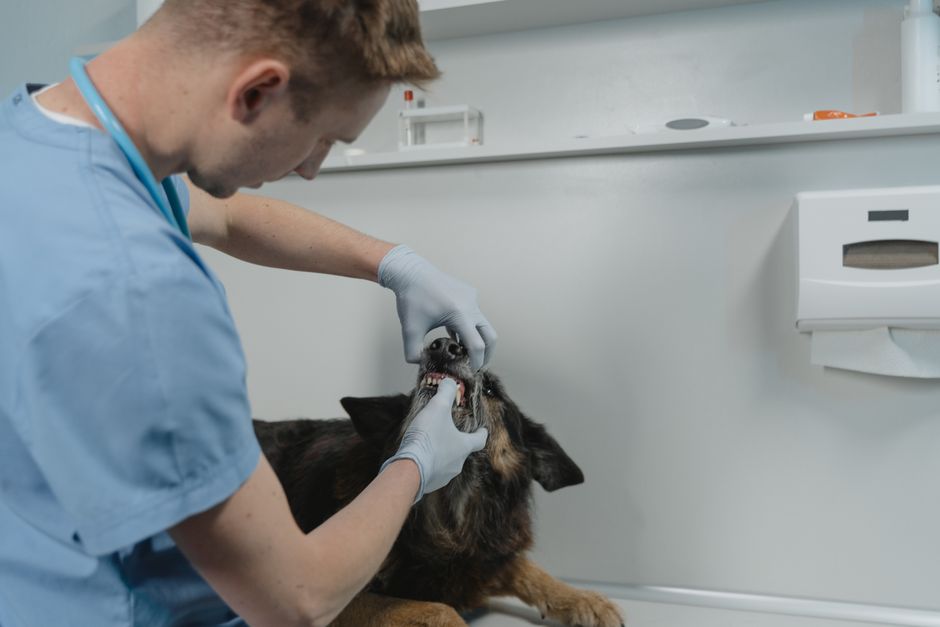
If your pet continues to exhibit signs of stress, a wellness examination is a valuable next step. Sometimes, behavioral changes can signal underlying health issues that need to be addressed by a veterinarian. During a visit at Mica Peak Veterinary Hospital, our team can assess your pet’s overall health, discuss behavior concerns, and recommend solutions tailored to your pet’s needs. Gentle therapies such as laser therapy for pets may benefit pets experiencing discomfort or anxiety, while other pets may require more structured behavioral intervention.
It is also important to keep up with routine veterinary care during busy times. Vaccinations, dental checkups, and preventive care appointments ensure your pet remains healthy and protected as family routines evolve. For more information about the importance of regular care, visit our website or speak with one of our veterinarians during your appointment.
Home Strategies for a Smooth Transition
There are several practical steps you can take at home to ease your pet’s adjustment to the back-to-school season. Gradually shifting feeding, walking, and play times to match your school-year schedule helps pets anticipate and adapt to the new routine. Consistency is key; pets feel more secure when their daily activities happen at predictable times.
Creating a positive association with alone time can reduce anxiety. Offering a special treat or favorite toy just before leaving the house helps your pet link your departure with something enjoyable. For dogs, consider rotating toys each day to keep their environment stimulating. Cats enjoy interactive play, so scheduling a few minutes of quality playtime in the morning and evening can help them expend energy and relax.
Maintaining a clean, comfortable environment is also essential. Ensure your pet has access to fresh water, a cozy bed, and, for cats, a clean litter box. In Tucson’s hot climate, keep your home cool and shaded to prevent heat stress, especially if your pet will be alone for several hours. If you notice changes in eating or drinking habits, increased grooming, or other unusual behaviors, it is a good idea to consult with your veterinarian to rule out underlying health concerns.
Dental health can also affect your pet’s mood and comfort. If your dog or cat has not had a recent dental cleaning, consider scheduling a visit or learning more about pet oral surgery and dental cleanings to keep your pet’s mouth healthy during this transition.
When to Seek Veterinary Care: Knowing When Your Pet Needs Extra Help
While many pets adjust to new routines with time, some may require additional support. If your dog or cat displays persistent symptoms such as refusal to eat or drink, excessive vocalization, destructive behavior that does not improve, or signs of depression (such as hiding or lack of interest in favorite activities), it is time to consult with your veterinary team. These behaviors may indicate significant anxiety, an underlying medical condition, or both.
Sudden changes in litter box habits in cats, house soiling in previously trained dogs, or signs of physical discomfort such as limping, excessive scratching, or sensitivity to touch should also prompt a call to your veterinarian. Prompt attention allows your veterinary team to identify and address issues before they escalate, ensuring your pet’s wellbeing as your family settles into the school-year routine.
At Mica Peak Veterinary Hospital, we understand how much your pet means to your family. Our compassionate veterinarians are here to help you navigate behavioral and medical concerns, provide expert recommendations, and partner with you in creating a healthy, happy environment for your pet. If you have questions about your pet’s adjustment or need to schedule an appointment, our team is here to support you every step of the way.
Supporting Your Pet’s Wellbeing All Year Long: Your Tucson Veterinary Partner
As you and your family embrace the back-to-school season, remember that your pet is also adapting to new patterns and routines. Early recognition of stress, consistent home strategies, and timely veterinary care can make all the difference in helping your dog or cat thrive. Whether you need advice on managing separation anxiety, want to learn more about laser therapy for pets, or are looking for a comprehensive wellness exam, the team at Mica Peak Veterinary Hospital is here for you.
If you are searching for a trusted "vet near me" in Tucson, our experienced veterinarians offer the knowledge, compassion, and services your pet needs. We invite you to schedule an appointment with our veterinary team by calling (520) 622-6485 or visiting us at 2300 E. Broadway Blvd, Tucson, AZ 85719. Let us help you and your pet enjoy a smooth, healthy start to the school year and beyond.
For more information about pet health and seasonal care tips, browse our website or reach out to our team of veterinarians today. Your pet’s comfort and happiness are our top priorities, now and throughout every season.
If you have specific concerns about your pet’s behavior or health, always consult with a licensed veterinarian. This blog is intended for informational purposes only and does not replace professional veterinary care.