
7 Signs Your Pet Needs an Animal Hospital in Tucson


7 Signs Your Pet Needs an Animal Hospital in Tucson
As a pet owner in Tucson, you want the very best for your furry companion—especially when it comes to their health. Sometimes, it can be tough to know if that odd behavior or new symptom means your pet needs to visit an animal hospital. At Mica Peak Veterinary Hospital, located at 2300 E. Broadway Blvd, Tucson, AZ 85719, our veterinary team is dedicated to helping pets stay healthy and happy. In this blog, we will walk you through seven common signs that indicate your pet may need the attention of an animal hospital in Tucson. Whether you are noticing subtle changes or sudden symptoms, understanding these signs can help you act quickly to get your pet the care they need.
Our veterinarians see a wide range of health issues throughout the year, especially as the seasons change in Tucson and surrounding communities. From dental concerns and digestive troubles to changes in energy level or appetite, we are here to provide guidance and expertise. Read on to learn how to recognize the warning signs, understand the causes, and find out how our veterinary professionals can help your pet live their best life.
Recognizing the Signs: When Your Pet May Need an Animal Hospital in Tucson
When something seems “off” with your pet, your instincts as a loving owner often kick in. Key signs that your pet may need attention from an animal hospital in Tucson include persistent vomiting or diarrhea, sudden loss of appetite, difficulty breathing, noticeable pain or limping, changes in behavior such as increased aggression or withdrawal, visible wounds or swelling, and ongoing coughing or sneezing. A single episode may not always signal an emergency, but repeated or severe signs should not be ignored.
In some cases, you might spot your dog pawing at their mouth or refusing to eat, which could indicate dental discomfort. Cats may hide more than usual or stop grooming themselves, pointing to underlying illness. Other times, you could notice that your pet is struggling to urinate, which is always a cause for immediate concern. Recognizing these symptoms early allows you to seek veterinary care before problems become more serious.
Understanding the Causes: Why Do These Symptoms Occur?
Many pet health issues stem from common causes such as infections, parasites, injuries, dental disease, allergies, or underlying medical conditions like diabetes or kidney disease. Tucson’s warm climate can also contribute to problems such as heat-related illness, dehydration, and the spread of certain parasites.
For example, dental problems can develop gradually over time as plaque and tartar build up, eventually leading to pain, infection, or even tooth loss if left untreated. Digestive issues may arise from dietary changes, ingesting something inappropriate, or the presence of intestinal parasites. Respiratory symptoms might be linked to infections, allergies, or even exposure to environmental irritants common in the desert climate.
Additionally, changes in behavior such as increased aggression, lethargy, or hiding may signal pain, anxiety, or systemic illness. Visible wounds or swelling could be the result of trauma, insect bites, or abscesses that require prompt attention to prevent complications.
Treatment and Professional Care at Mica Peak Veterinary Hospital
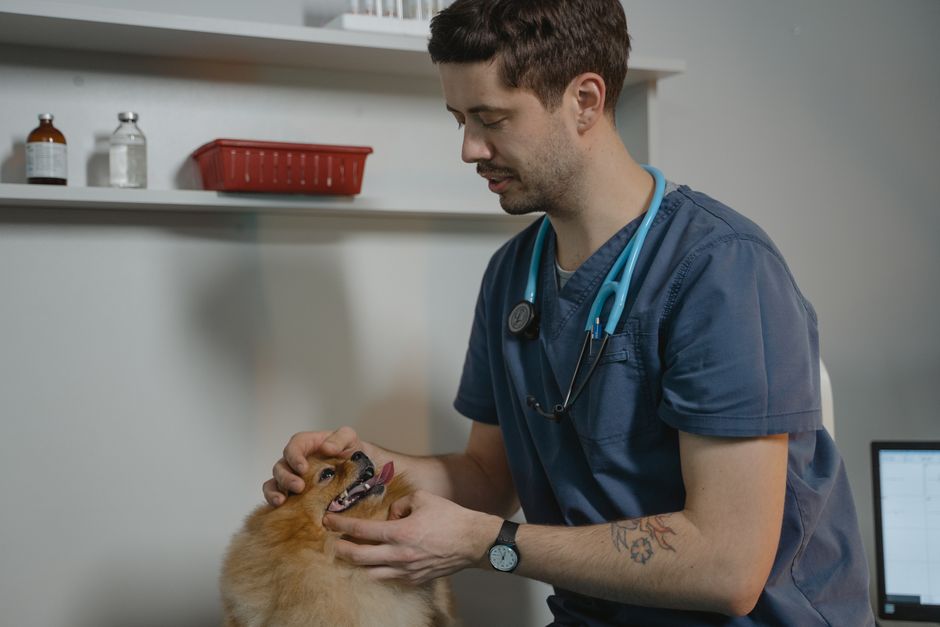
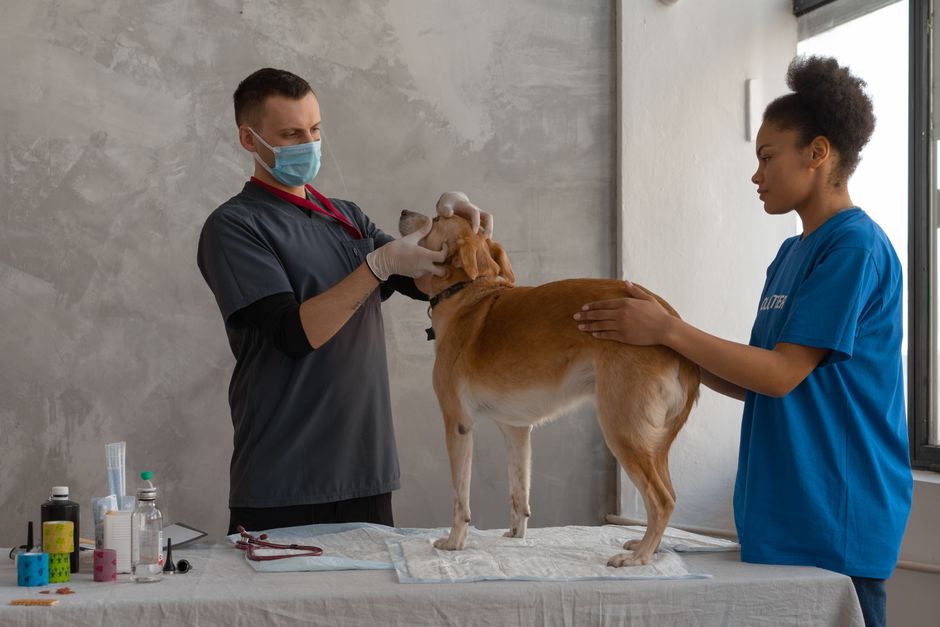
When your pet is showing signs that concern you, the first step is a thorough veterinary examination. At Mica Peak Veterinary Hospital, our veterinary team offers comprehensive services to address a wide range of pet health issues. During your visit, we will perform a detailed physical exam, ask about your pet’s history and recent changes, and recommend diagnostic tests as needed. Our in-house diagnostic laboratory allows us to quickly assess bloodwork, urine samples, and other tests for accurate results.
For dental-related problems, our veterinarians can provide pet dental cleanings to remove tartar and treat gum disease, as well as more advanced procedures like pet tooth extractions when necessary. If your pet needs surgery—whether for injury repair, mass removal, or sterilization—we offer skilled surgical care and post-operative support.
Other treatment options may include medications for infections, pain management, laser therapy for inflammation and healing, or supportive care for digestive upsets. If your pet is showing respiratory symptoms, our digital radiology capabilities can help diagnose underlying issues, while our heartworm testing services are essential for dogs in the Tucson area.
Throughout every step, we keep you informed about your pet’s progress and involve you in decision-making. Our goal is to provide compassionate, effective care so your pet feels better as soon as possible.
Prevention and Home Care: Keeping Your Pet Healthy
Many common pet health issues can be prevented or detected early with routine veterinary care. Scheduling regular wellness examinations gives our team the opportunity to identify subtle changes, catch problems before they become severe, and keep vaccinations up to date to protect against contagious diseases. A good preventive care routine also includes regular dental care, a balanced diet, parasite prevention, and maintaining a healthy weight.
At home, pay close attention to your pet’s normal behaviors and habits. Changes in eating, drinking, activity level, or litter box use can be early warning signs of trouble. For dental health, regularly check your pet’s mouth for redness, swelling, or bad breath, and ask your veterinarian about home dental care options suitable for your pet.
The hot Tucson climate means it is especially important to provide plenty of fresh water, avoid exercise during the hottest parts of the day, and watch for signs of overheating such as excessive panting or drooling. If you are ever unsure about a symptom or change in your pet, reaching out to our veterinary professionals for advice is always a wise step.
When to Schedule a Veterinary Visit
Knowing when to seek professional veterinary care can make all the difference for your pet’s well-being. If your pet is experiencing persistent vomiting or diarrhea, trouble breathing, sudden or severe pain, difficulty urinating, uncontrolled bleeding, or has been exposed to a toxin, do not wait—contact our veterinarians immediately. Additionally, if you notice ongoing coughing, sneezing, changes in appetite, or behavior changes that last more than a day or two, it is time to schedule an examination.
Even when symptoms seem mild, early intervention can help prevent more serious health complications, reduce discomfort, and ensure a faster recovery. Our team at Mica Peak Veterinary Hospital is here to answer your questions and provide expert care tailored to your pet’s unique needs.
Your Local Resource for Pet Health: Why Choose Mica Peak Veterinary Hospital
Choosing the right animal hospital in Tucson is about more than just convenience; it is about finding a veterinary team you can trust with your pet’s health and happiness. At Mica Peak Veterinary Hospital, we are proud to serve Tucson and surrounding communities with a full range of veterinary services, from preventive care and dental health to advanced diagnostics and surgery.
If you are searching for a veterinarian near me, our experienced veterinary professionals are ready to help. We encourage you to schedule an appointment whenever you have concerns about your pet’s health. Our clinic at 2300 E. Broadway Blvd, Tucson, AZ 85719 welcomes new and returning clients, and our compassionate approach ensures your pet receives the care they deserve.
Do not wait if your pet is showing any of the warning signs discussed above. Reach out to our veterinary team today to schedule a wellness examination or discuss your concerns. You can call us at (520) 622-6485 or visit our website to learn more about our services and fees. For more information on preventive care or to explore specific treatment options, browse our website or contact us directly. Your pet’s health and comfort are our top priorities, and we are honored to be your trusted animal hospital in Tucson.
This blog is intended for informational purposes only and should not be considered a substitute for professional veterinary advice. If your pet is experiencing an emergency or severe symptoms, please seek immediate veterinary attention.